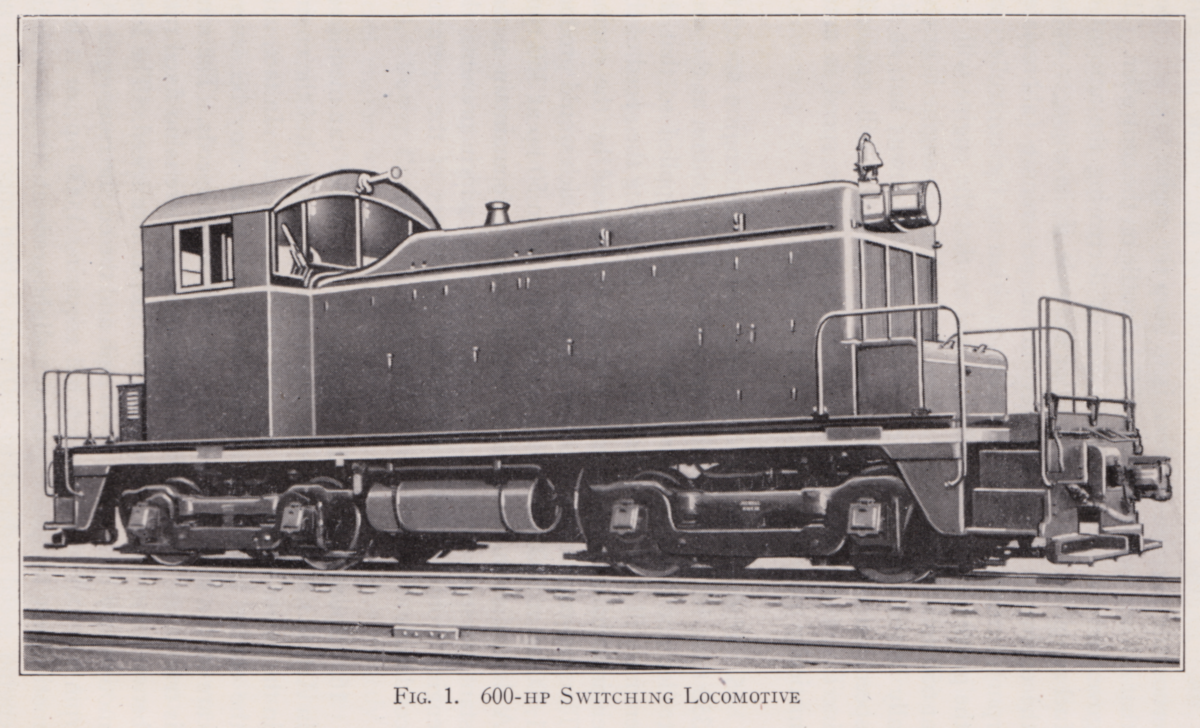
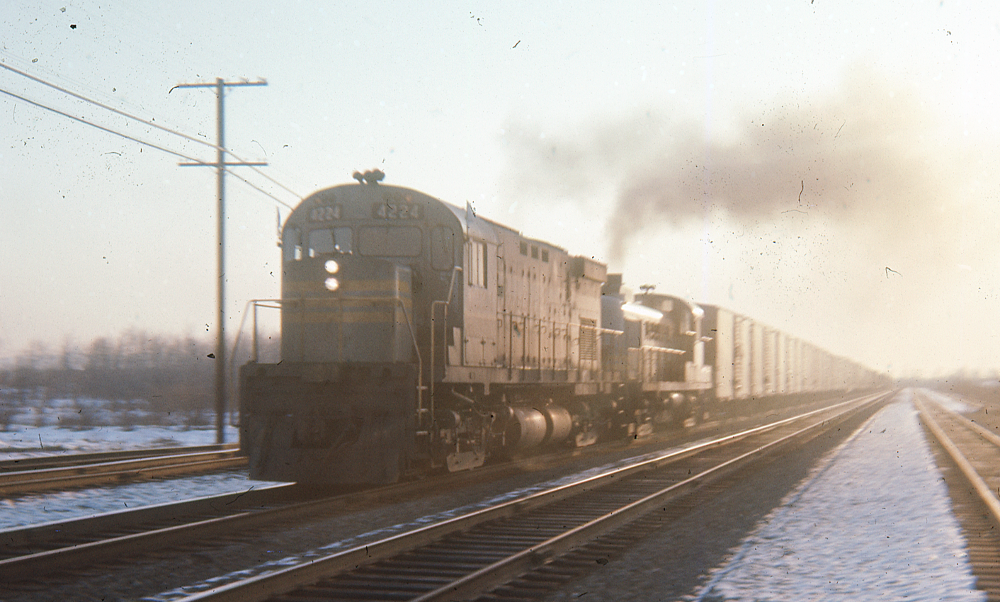
Here is another selection from the Scranton-based International Library correspondence course on diesels. A modern perspective (once explained to me) is that electric locomotives have the luxury of being extremely powerful (per unit of weight) because they don't have the burden of toting around their own generating facilities.
Here is a historical contrast. In the era of this book, published almost 80 years ago, steam locomotives and streetcars were the commonly-seen self-propelled rail vehicles. Consequently, the 'helpful perspective' you'll read below is that diesels are like streetcars. However, they don't require catenary, power stations and wayside electrical switching gear wherever they operate.
History and more history.
While some of the actual technical operating details are very practical and probably too dry for your on-screen 'pleasure reading time', these books are quite interesting as historical documents. They were written at the dawn of a period of dynamic technological change on US and Canadian railways. Elsewhere, World War Two was ending in Europe and then Asia. People were leaving the armed services to return to civilian life. Automobiles and the new suburban housing developments would allow some urban workers to raise their families away from the industrial coal smoke of the cities. So a lot was changing as these books were published.
Who might order these self-instruction books?
Often it would be highly-motivated workers. Train crew and shop staff would receive the compulsory railway company and/or manufacturer's training. In some cases, the material in these books might be prescribed, with a company-designed examination to follow.
Beyond that, people seeking promotion were probably well-advised to demonstrate that they saw 'the big picture' - not just the well-worn career progression steps which others usually followed. This type of book offered a convenient after-work option for self-study - particularly in small railway settlements where there were few opportunities for specialized formal education.
Should I hitch my wagon to a diesel?
In the 1940s, there was probably a lot of skepticism among experienced employees whether diesels would ever do more than tow pretty streamliners. Would they ever be as powerful and reliable as steam freight locomotives?
Some contemporary accounts describe experienced steam engineers having one over-the-road session with a company trainer (likely with a company supervisor also in the cab) during one of their scheduled passenger runs. After this they were proficient - that's how good diesels were! As clean and simple as driving a bus! Was it really this quick and easy to get employees converted to diesels?
First, anyone on a passenger run would have years, if not decades, of railway operating experience - including excellent knowledge of the physical characteristics of their piece of the railway.
Second, hauling a relatively light passenger train with a brand-new diesel, and a company rep at your elbow who saw to it that the power was babied - was not 'the railroad of the future' ...
Once the power was maintained by the railway's newly-trained shop staff ... the engineer (or fireman) would be expected to solve most problems if a diesel failed during a run. A persistent flashing light, an annoying deafening bell, a problem with brakes, pulling power or steam for train heat would be the responsibility of the engine crew. With new locomotive models, there might also be class-wide problems which would be revealed only after operational experience had been gained. In other words, the first edition operators manual might be of no help to the newly-fledged diesel hogger with a problem out on the road. At night. In a snowstorm. Etc.
Just enjoy today.
Fortunately, all of that stress is still in the future. Below, the reader is being given a nice general overview of some of the developmental history of internal combustion on the rails, the characteristics of the modern diesel-electric and a quick introduction to switch engines.
Diesel switch engines operating within a yard are nice to start on, because 'there will always be someone around who can help you'.
You hope.